



East Kalimantan Maintains Tropical Forest Cover Amid Industrial Pressures
- Editor Sri Wahyuni
- 19 Jan 2026
- Voice of Indonesia
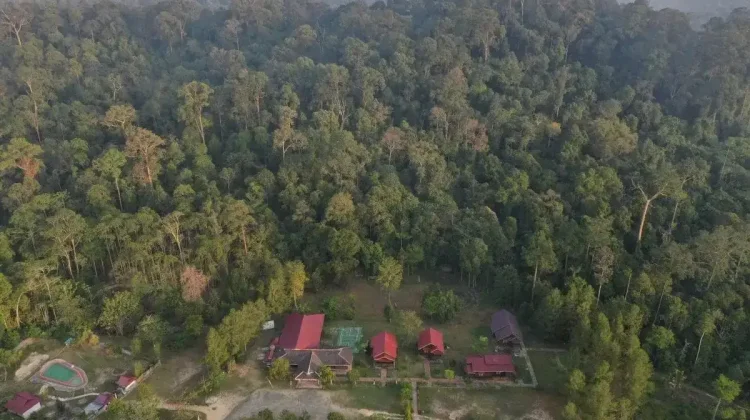
RRI.CO.ID, Jakarta - Despite the rapid expansion of extractive industries, East Kalimantan has managed to preserve 62 percent of its land area under tropical rainforest cover, well above Indonesia's national minimum standard of 30 percent.
“The total land area of East Kalimantan is about 12.69 million hectares, and we remain committed to keeping forest cover far above the national benchmark,” Head of Forest Planning and Utilization at the provincial Forestry Agency, Susilo Pranoto, said in Samarinda on Sunday, January 18, 2026.
Susilo highlighted that the province’s ecological commitment is reflected in the distribution of high-quality forests across multiple districts. Mahakam Ulu stands out as a model of conservation, with primary and secondary forest cover reaching 80 percent. Even in heavily industrialized regions such as West Kutai and Kutai Kartanegara, forest cover remains around 50 percent thanks to strict monitoring.
This achievement has drawn international recognition. The World Bank recently disbursed carbon compensation funds to the province, awarding East Kalimantan an incentive of USD 110 million for its success in reducing greenhouse gas emissions by keeping forests intact. “Part of the funds have already been allocated to community-based environmental programs,” Susilo added.
Academics, however, caution that maintaining existing forests is far more effective than attempting to restore land degraded by mining. Ibrahim, a lecturer at Mulawarman University, explained that reclaiming tropical rainforest ecosystems after mining is nearly impossible to achieve in full.
“Revegetation on post-mining land often creates a green appearance but lacks the ecological functions of pristine forest,” he said. Many trees planted on reclaimed sites fail to thrive or die when roots encounter compacted clay layers and altered subsoil.
Natural forests, Ibrahim emphasized, play a vital hydrological role through their forest floor, which is covered with decaying organic matter. Uncontrolled land conversion threatens this function, potentially leading to sedimentation in lakes along river basins.
“The risk of severe flooding in downstream areas such as Samarinda will persist if the upper Mahakam watershed is not managed with utmost caution,” Ibrahim warned. ***
/z70hv7om6a02gfi.png)