




Wot Batu: Sunaryo’s Monumental Spiritual Installation in Bandung
- Editor Sri Wahyuni
- 19 Jan 2026
- Voice of Indonesia
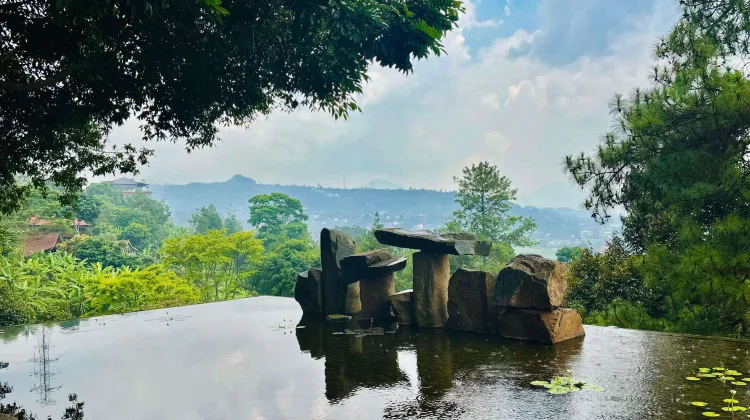
RRI.CO.ID, Bandung - For those seeking profound artistic expression near Bandung, West Java, Wot Batu stands as the magnum opus of renowned Indonesian artist Sunaryo, a monumental installation that embodies his spiritual and transcendental journey.
Spanning 2,000 square meters, Wot Batu is composed of 135 volcanic stones plus one central stone, arranged in a harmonious configuration that channels energy and symbolism. Located at Jalan Bukit Pakar Timur No. 98, Ciburial Village, Cimenyan Subdistrict, Bandung Regency, the site lies about 10 kilometers or a 30-minute drive from Bandung’s city center.
According to its official website, the name Wot Batu, meaning “Stone Bridge” in Old Javanese, reflects Sunaryo’s vision of a “spiritual bridge” that balances the human soul with the physical form of life. The installation connects the four natural elements of earth, fire, water, and wind, to interact in harmony and evoke a deep sense of space and time.
Visitors first encounter the Gate Stones, forming a transitional corridor that separates Wot Batu’s contemplative dimension from the bustle of the outside world. The gravel-lined path encourages slower steps and heightened auditory awareness.
“The stones become a separator from the noisy outside world, where we are accustomed to rushing. Inside, we are invited to slow our tempo, to stand silently before the stones and wonder what lies behind them, because Sunaryo believes these stones all speak in silence,” explained Demas, a gallery sitter at Wot Batu.
/aaoqb09x27dyoki.jpeg) The Lawang Batu (Stone Door) serves as a symbolic gateway, linking the ‘stage of life’ sequence with the Water Stone and, by extension, representing a passage to death. (Photo: RRI/Diva Rifdah Rizkia Puspitaningnala)
The Lawang Batu (Stone Door) serves as a symbolic gateway, linking the ‘stage of life’ sequence with the Water Stone and, by extension, representing a passage to death. (Photo: RRI/Diva Rifdah Rizkia Puspitaningnala)Among the most revered elements is the Mushala Stone, retrieved from the area surrounding Hira Cave in Mecca. Embedded with a glass panel inscribed with Surah Al-Fatihah, the stone faces Mecca unintentionally, symbolizing Sunaryo’s challenge to the myth that removing a stone from the site would bring misfortune.
Another highlight is the Abah Ambu Stones (Sundanese for Father-Mother), representing masculine and feminine energies. Unlike the traditional Lingga-Yoni concept, they are intentionally separated. The tall Abah Stone, brought from Bali, arrived first, while the curved Ambu Stone, discovered in Tangerang and later traced to India, embodies fertility and new life creation.
“The Abah and Ambu Stones include a hole containing water, symbolizing fertility. Research confirmed the Ambu Stone originated from India, aligning perfectly with Sunaryo’s Hindu-inspired vision,” Demas noted.
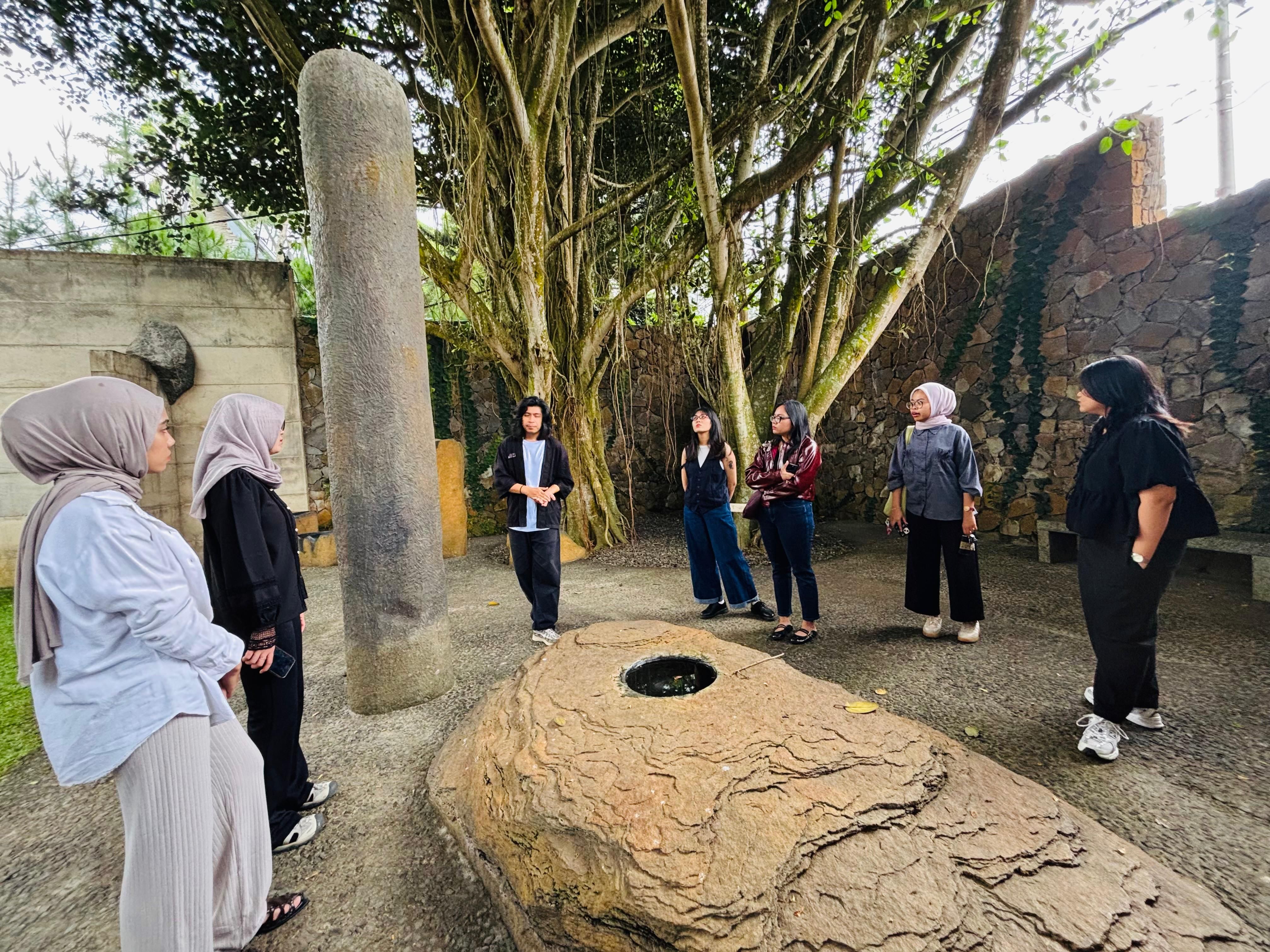 Visitors observed the Ambu Stone, a feminine-leaning sculpture traced to India that complements the Abah Stone. A carved hole filled with water symbolizes fertility, reflecting Sunaryo’s Hindu-inspired vision. (Photo: RRI/Diva Rifdah Rizkia Puspitaningnala)
The largest installation, Between Earth and Sky, juxtaposes Earth Stones, clustered to represent community life, with Sky Stones, scattered in natural grey tones to resemble meteors and the vastness of the universe.
Nearby, the Meditating Stone, inspired by Siddhartha Gautama, offers a serene vantage point for contemplation across the Wot Batu landscape.
“Sunaryo created Wot Batu in 2012 to address the future, linking back to his 1998 creation of Selasar Sunaryo, which addressed the present,” Demas explained.
The philosophical journey culminates in the Stage of Life sequence, featuring: Indung Stone (Mother, symbolizing the first phase of life); Mandala Stone (human relationships, second phase), paired with the Wind Stone to signify humanity’s bond with the Divine; and Parahu Stone (Boat, representing the journey after death).
The sequence ends at the Lawang Stone (Javanese for “door”), leading to the infinity pool. Here, the Water Stones symbolize life merging with the universe. The tranquil water, mysterious infinity edge, and stones set against the natural backdrop evoke a bridge to the cosmos.
“The patterns on the stones are Sunaryo’s signature, seen across his works, even his paintings. Visitors are encouraged to touch, feel, and experience the stones directly,” Demas added.
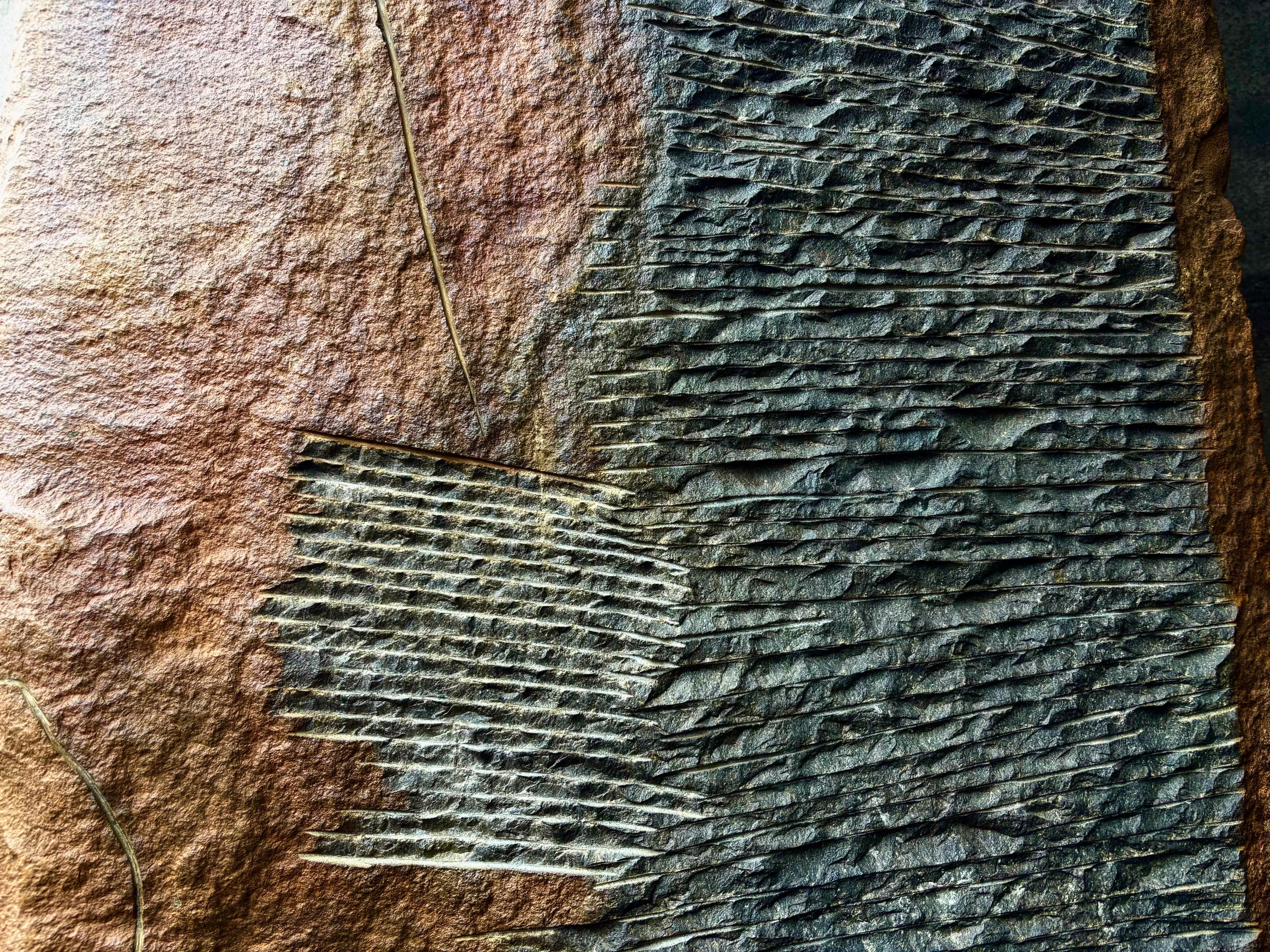 The patterned lines carved into the stones at Wot Batu embody Sunaryo’s distinctive signature style, a motif that also features prominently in many of his paintings displayed at Selasar Sunaryo. (Photo: RRI/Diva Rifdah Rizkia Puspitaningnala)
Wot Batu transforms into a configuration of energy, reflecting Sunaryo’s spiritual path and offering a tangible realization of humanity’s boundless existence within nature’s vast dimensions.
The installation is open Tuesday through Sunday, with two daily sessions:
- Session 1: 10 a.m. – 1 p.m. (last entry 12:30 p.m.)
- Session 2: 2 p.m. – 5 p.m. (last entry 4:30 p.m.)
Admission fees:
- IDR 50,000 (USD 3.25) for visitors aged 12–64
- IDR 25,000 for children aged 6–11
- Free entry for children under 6 and seniors over 65
Tickets can be reserved online or purchased on-site. The venue is closed every Monday and on national holidays. ***